




Media Centre
This page is designed for journalists, reporters, and media outlets seeking information and expert commentary on battery safety and recycling. Connect directly with Call2Recycle’s official spokesperson below to arrange an interview or request a statement.

Our Battery Recycling Expert
Jon McQuaid
Vice President, Marketing & Communications | LinkedIn
Battery fire risks · Battery safety & disposal · Waste-stream fires · Vape recycling · EV & e-bike batteries · Battery-powered products recycling · Fire prevention · Public education · Battery policies, regulations & standards
Why Jon?
Jon leads public education, communications and marketing at Call2Recycle, bringing deep expertise in battery recycling, battery safety and public education. He works closely with government, fire safety organizations, waste and recycling leaders, and industry partners across Canada and internationally to advance safe battery management and recycling practices.
With decades of experience in the field, Jon brings a unique perspective on translating complex battery safety and recycling issues into clear, practical information for the public.
Jon in the Media
Jon has been sought out by CBC, Global News, CP24, and Breakfast Television, among others, for commentary on battery safety, recycling and fire prevention.
What to Ask Jon
- How do you properly dispose of batteries?
- Is Canada’s battery fire risk increasing?
- How should Canadians safely dispose of vapes, e-bike and EV batteries?
- What can consumers do to reduce fire risks?
 Media Contact
Jon McQuaid
Email: [email protected]
Download our media kit (PDF)
Battery safety & recycling resources: Call2Recycle.ca
Battery Safety & Fire Prevention
Lithium-ion batteries power many of the products Canadians use every day – from smartphones and laptops to e-bikes, electric vehicles and vapes. But when batteries are improperly discarded in household garbage or recycling, they can create a serious fire and safety risk throughout the waste stream.
When damaged, crushed or compacted, batteries can ignite and create dangerous fires in garbage trucks, waste transfer stations, recycling facilities, landfills and other waste management operations.
Battery Fire Numbers at a Glance
302
Publicly reported fires at Canadian waste & recycling facilities, 2016–2024
44
Reported facility fires in 2024 — double the 2016 total
60M+kg
Batteries diverted from Canadian landfills by Call2Recycle
~100
Batteries in the average Canadian household
 More Batteries, More Risk
The average home could have as many as 40 lithium-ion batteries used daily. Most of these batteries are considered safe, however could be great fire risks if tampered with and disposed of improperly. In 2025:
- 96% of urban centres reported responding to lithium-ion battery fires, including incidents involving EVs.
- Fire department responses involving lithium-ion, mobility, thermal runaway or EV-related fires increased from 14% in 2023 to 19% in 2025.
 Keep Batteries out of the Waste Stream
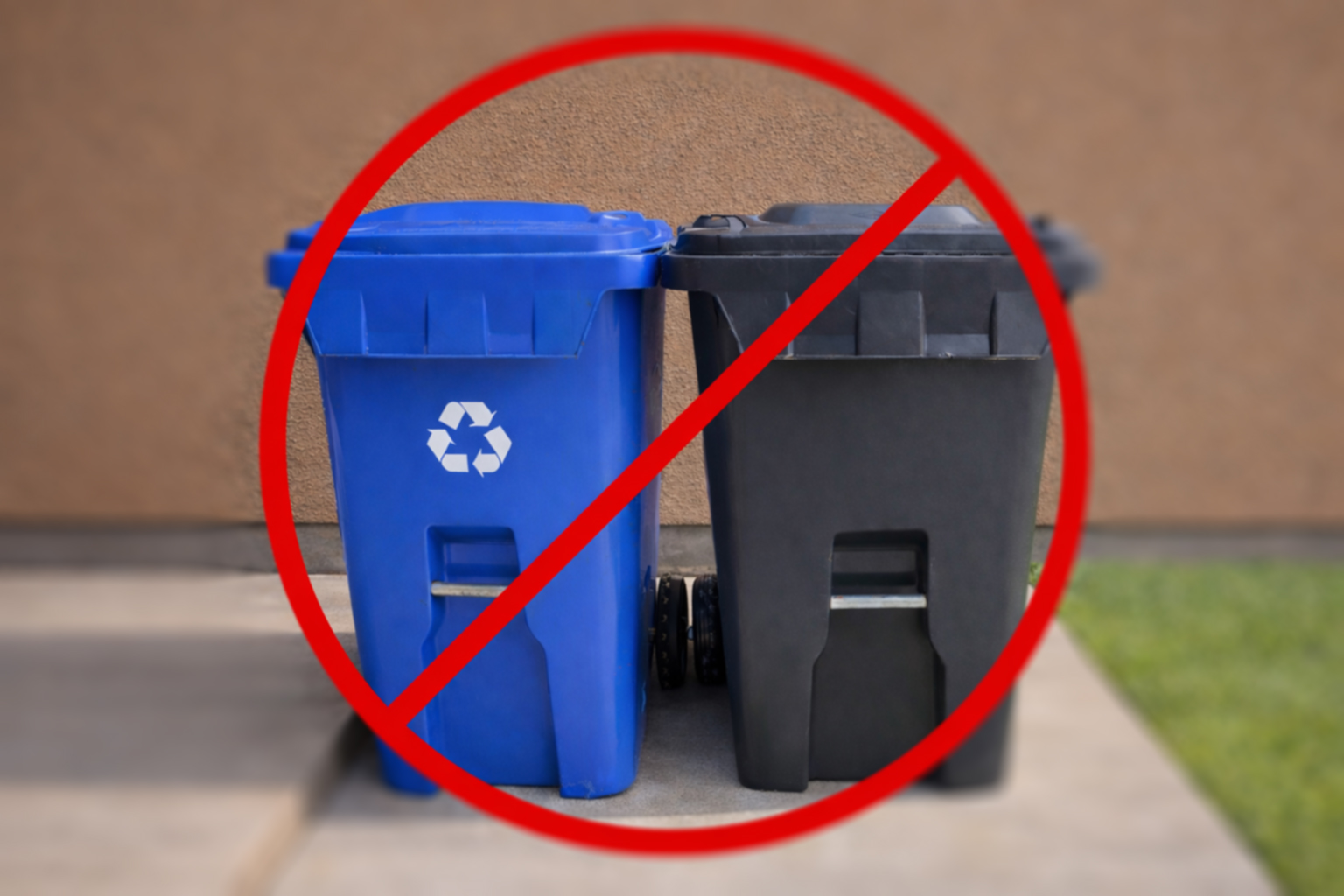
- Never put batteries in the garbage or curbside recycling.
- Canadians should bring batteries to a designated collection location where they can be safely handled, stored and recycled.
- Call2Recycle provides battery collection and recycling solutions across Canada, including programs addressing emerging battery streams such as EV batteries, e-bikes, battery-powered products and vapes.